Licensed clearance · Brighouse based
Trade Waste Removalin Brighouse & West Yorkshire
Arrange removal of agreed trade and renovation waste, with loading and a documented handover so the leftover pile does not hold up your next task.
15 years in the trade · Same-day service guaranteed
Registered waste carrier
CBDU664322
15 years in the trade
Local experience
Approximately 80%
Diverted from landfill
Waste Transfer Notes
Paperwork supplied
Registered waste carrier
CBDU664322
15 years in the trade
Local experience
Approximately 80%
Diverted from landfill
Waste Transfer Notes
Paperwork supplied
The service
What needs to go?
Start with a clear scope.
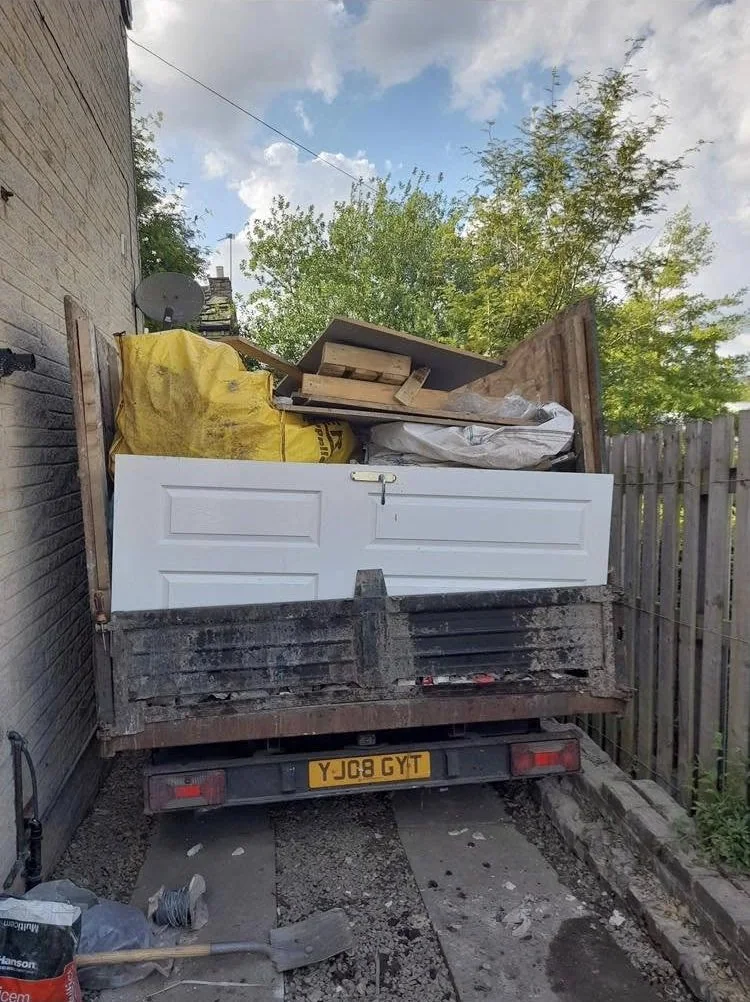
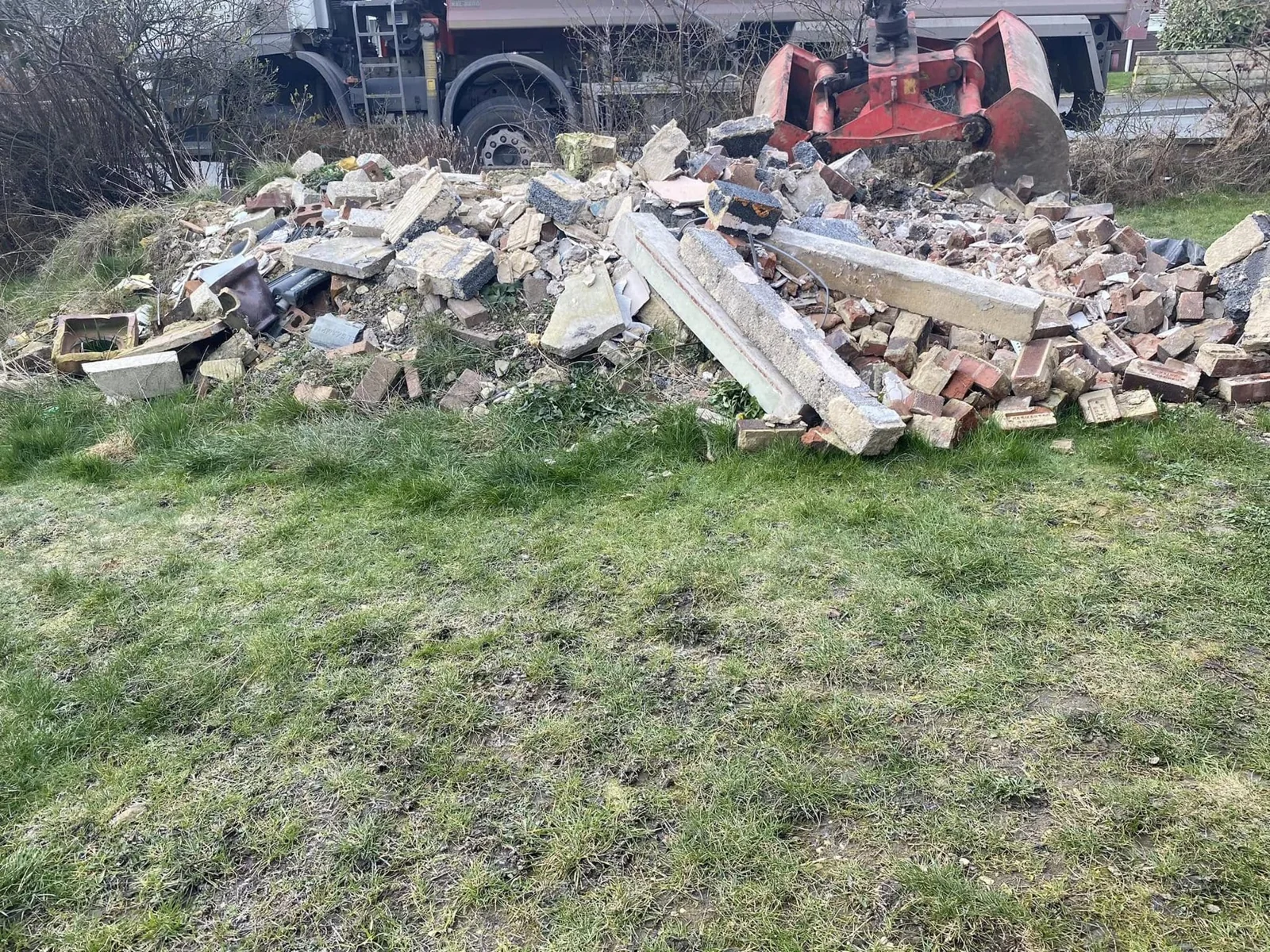
Trade waste removal is for enquiries about rubbish produced by trades and renovation clear-outs. A job may leave packaging, offcuts, unwanted fixtures or mixed debris, and each material should be identified before collection is agreed. West Yorkshire waste solutions handles loading and removal of accepted waste and supplies Waste Transfer Notes. The service can help clear a defined pile once a stage of work is complete, without requiring the customer to organise a separate disposal journey.
Tell Liam what trade or project produced the waste, what is in the pile and whether the work is still generating more material. An accurate description helps distinguish light packaging from dense rubble or uncertain renovation waste. Explain site access and the person who can authorise collection. This page does not advertise hazardous-waste treatment, asbestos removal, utility disconnection or building work. The rubbish left by a project should not be treated as a single undifferentiated load when some materials require separate assessment or disposal arrangements.
Avoid the complications
Don’t let the pile
become the problem.
Leftover waste can reduce the working area, obscure materials still needed and force repeated moves of the same debris between stages of a job. Mixing usable supplies into the disposal pile creates avoidable losses. Keep the agreed waste separate from tools, customer belongings and material retained for later work. Do not obstruct exits, shared paths or access needed by other trades. A defined collection point is helpful, but should not be created by carrying unsafe loads yourself.
The biggest quoting mistake is giving only volume and omitting material weight, concealed contents or access. Dense rubble and light packaging do not behave like equivalent loads just because they fill the same space. Paint, adhesives, solvents, batteries and suspect asbestos should not be concealed inside bags of ordinary renovation rubbish. Discuss uncertain materials before they are disturbed or added to the pile. A general pickup price is not an unrestricted construction-waste allowance or a promise to accept every product used on a site.
A straightforward process
From first call to
a documented handover.
01
Describe the job to Liam
Call 07514 475009 and explain your clearance. Give the location, main materials and approximate amount, then describe the access from the items to the collection vehicle. Mention uncertain contents, unusually heavy objects and anything still fixed in place. You do not need to know disposal terminology: a straightforward description of what is there is the useful starting point. Avoid unsafe lifting or opening containers just to prepare for the conversation.
02
Agree the accepted scope and quote
Confirm which items or areas are included and which must remain. Discuss any preparation, access arrangements and the proposed collection before authorising the work. A price should refer to the actual job described, not an assumption that every load is identical. If the waste changes, tell Liam before collection so any revised scope can be agreed. Items needing separate assessment or specialist treatment should not be added to a general load without explicit confirmation.
03
Loading and removal
Loading is included for the agreed waste, so you do not have to fill a skip yourself. Make sure the person meeting the team understands the scope and can point out retained belongings. Keep ordinary loose objects out of the carrying route where it is safe to do so, without blocking exits or shared access. Raise any discrepancy before loading proceeds. The collection follows the agreed job; it is not permission to remove every object in the surrounding space.
04
Check the handover and retain your note
Review the clearance against the agreed scope, including any item intentionally left behind. Waste Transfer Notes are supplied: check the waste description and keep the paperwork with your records. Ask about anything unclear before the handover is complete. Responsible disposal follows collection, with approximately 80% landfill diversion across the business. That approximate overall figure is not a material-by-material guarantee for an individual job. Agree payment by the confirmed methods of cash or bank transfer.
What the clearance changes
Less to organise.
More usable space.
01
No skip to load yourself
The agreed waste is loaded for you, removing the need to organise your own lifting into a hired container. Access and awkward items are still discussed first, so the collection reflects your property rather than an assumed roadside pile. This matters when a clear-out contains bulky objects or material stored in several places. Keep your effort focused on deciding what must go and what should remain.
02
A clear scope before work
Discussing contents, access and the quote together helps avoid paying for a job based on the wrong description. Identify additions or changes before collection and agree them explicitly. There is no universal price for every waste type, item or building. Knowing which areas and items are included gives both the customer and the collection team a practical reference for the final check.
03
An accountable waste transfer
Environment Agency registration CBDU664322 and supplied Waste Transfer Notes give you details to check and paperwork to retain. They support a documented handover rather than an anonymous collection. Registration does not confirm acceptance of every specialist material, so unusual waste remains part of the initial discussion. Keep the note after the waste leaves your premises and ask if its description is unclear.
04
Space available for the next step
Removing the agreed pile or unwanted items makes the cleared area available for its intended use. It also avoids repeatedly shifting the same rubbish while another task waits. The outcome is the clearance you agree, not an automatic cleaning, repair or landscaping service. Decide what that end point means for your property and describe it before work starts, so the result can be checked against the right expectation.
Your trade waste removal in detail
Materials, access
and the details that matter.
01
Packaging, timber and general renovation leftovers
Describe packaging, offcuts and unwanted fixtures separately so the enquiry reflects the contents, not just a pile size. Keep reusable supplies and tools outside the collection area, and tell others working on the property what has been approved for disposal. Mixed materials may need separate sorting and acceptance, especially where waste has accumulated across several rooms. Do not pull fixed fittings from walls or disconnect services solely to prepare the pile. Removal of loose waste is different from stripping out a property. If dismantling or demolition is required, raise that as a separate scope rather than assuming it accompanies the collection.
02
Rubble, plasterboard and heavy materials
Dense debris needs clear description because its weight and handling differ from light bulky rubbish. Flag plasterboard separately from general renovation waste; do not assume it belongs in the same disposal stream as every other material. Tell Liam whether rubble is bagged, loose or mixed with soil and how close it is to vehicle access. The pickup-load comparison describes the existing offer, not an unlimited weight entitlement. Do not fill sacks beyond what can be handled safely to make the pile appear smaller. Agree the actual material and scope before basing a project plan on a quoted collection.
03
Uncertain substances and older building materials
Older structures can contain materials whose composition is unclear, particularly roof sheets, insulation and coatings. State that uncertainty rather than guessing. Suspected asbestos, chemicals, paint and unknown liquids must be discussed separately and may require specialist arrangements not advertised here. Do not break suspect material apart, open containers or sweep dust to make an ordinary load. Waste-carrier registration does not establish capability for every hazardous stream. The practical purpose of the enquiry is to identify what can be accepted and what needs another route before any collection proceeds on an unsafe assumption.
04
Sites, customers and the waste handover
Identify the person authorised to approve the collection and explain any access rules, gates or shared working areas. If you are working at a customer’s home, separate their belongings from your project waste and clarify which items they have agreed to discard. Keep the Waste Transfer Note with the relevant job records and check the description of the waste handed over. A collection after one project stage does not automatically include later waste or repeated attendance. Tell Liam if the pile changes before arrival so the scope and quote can be reconsidered rather than leaving additional material to assumption.
Good to know
Your questions,
answered.
How much will this service cost?
Call Liam for a quote based on the actual scope, load and access. The general pickup offer starts at £250 for loads described as equivalent to a 14-yard skip, with loading included. This is not a fixed tariff for every individual item, material or demolition project, and it is not an unlimited weight allowance. Describe your specific job before agreeing the price.
Can you arrange same-day service?
Same-day service is guaranteed. Call to explain the job and agree the practical arrangements. The offer does not establish a fixed arrival time, a universal job duration or acceptance of specialist waste. Access, contents and any preparation still need discussion. If your request concerns a structure or material requiring assessment, do not assume the guarantee removes those checks.
How long does a clearance take?
There is no single published duration for all jobs. Volume, material, carrying distance, stairs and any agreed dismantling affect the work. Explain your situation to Liam and ask what to expect for the scope discussed. Same-day service concerns the confirmed offer, not a promise that every clearance takes the same number of minutes. Have the authorised contact available to confirm the items and access.
What should I do before collection?
Identify items to keep, separate questionable waste and explain any access restrictions. Clear ordinary small obstacles from the route only where safe. Do not drag heavy objects outside, dismantle a structure, disconnect services or open unknown containers simply to prepare the load. Tell Liam where the waste is currently located and ask what preparation is needed for your specific job before making changes.
Can you collect plasterboard or heavy renovation debris?
Identify each material separately when you call. Acceptance and the disposal route need confirmation, and heavy debris cannot be priced only by comparing its visible volume with light rubbish. Explain whether the material is bagged or loose and describe site access. Do not assume plasterboard can be mixed into every load or that the general pickup offer includes unlimited weight.
Do you collect waste while renovation work is still ongoing?
Describe the stage of the project and the waste currently ready to leave. Agree a defined scope rather than assuming collection covers everything the work may produce later. Tell Liam if the quantity or contents change before arrival. Repeated attendance or an ongoing arrangement must be discussed directly; it is not automatically included in a one-off clearance quote.
Do you cover Brighouse and the rest of West Yorkshire?
The business is based in Brighouse and covers Bradford, Leeds, Huddersfield, Halifax, Elland, Cleckheaton, Dewsbury, as well as Brighouse and the wider West Yorkshire area. Give your location and access details when you call. A town name alone does not describe parking, gates or the route to the waste, so include those practical details when discussing the collection.
What paperwork and payment options are provided?
Waste Transfer Notes are supplied and the waste-carrier registration is CBDU664322. Retain the note and check that the waste description reflects the agreed collection. The confirmed payment methods are cash and bank transfer; agree the quote before the work proceeds. Payment records do not replace the waste-transfer paperwork, and no additional warranty or certified specialist treatment is implied by an ordinary clearance.
Related clearances
A different part of the same job?
One call to get started
Clear the leftovers. Keep the job moving.
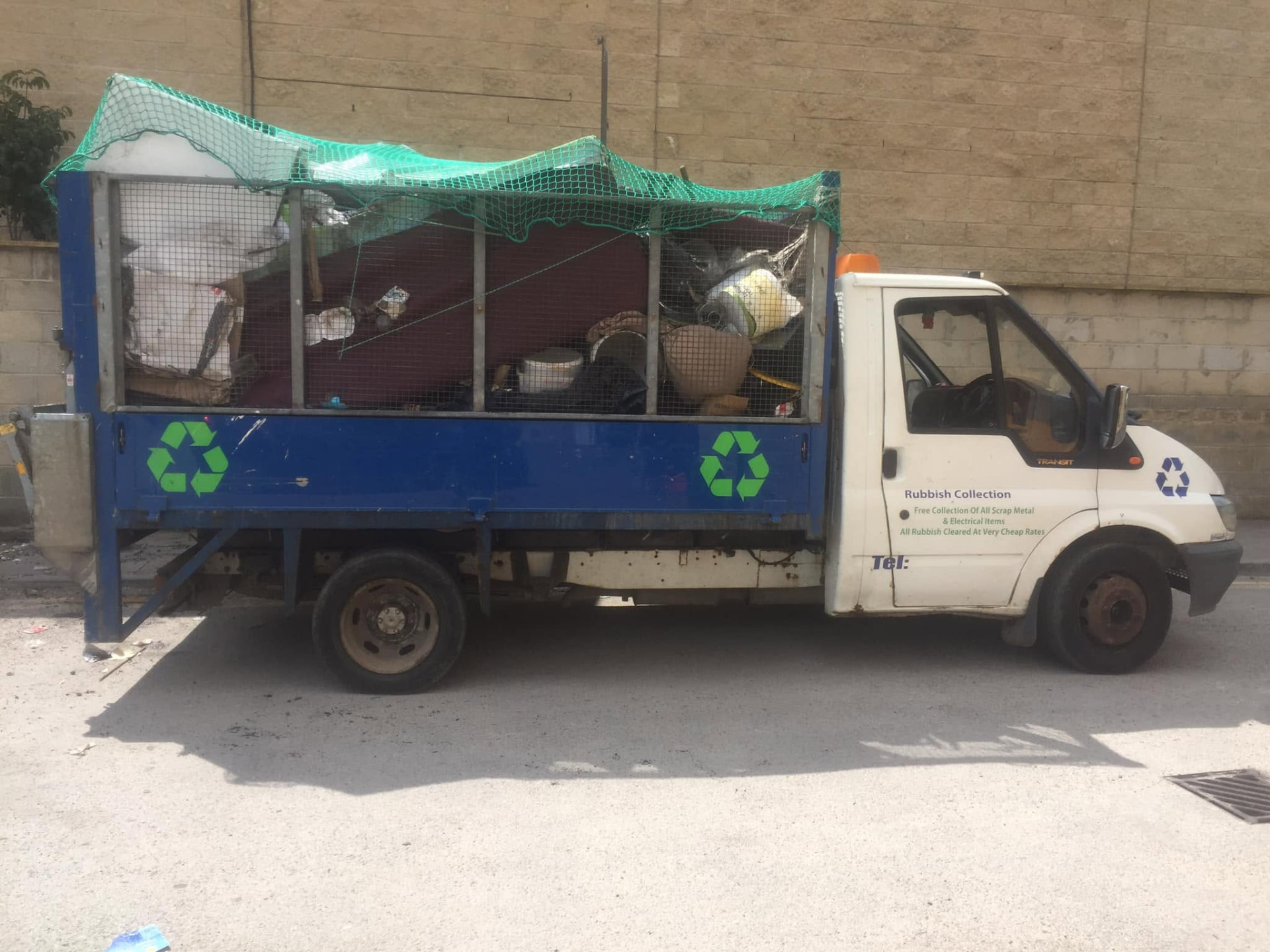
Tell Liam what needs removing and where it is. Agree your scope and quote, then leave the loading and collection of accepted waste to us.
Registered carrier CBDU664322 · Waste Transfer Notes supplied
Prefer to dial directly? 07514 475009