
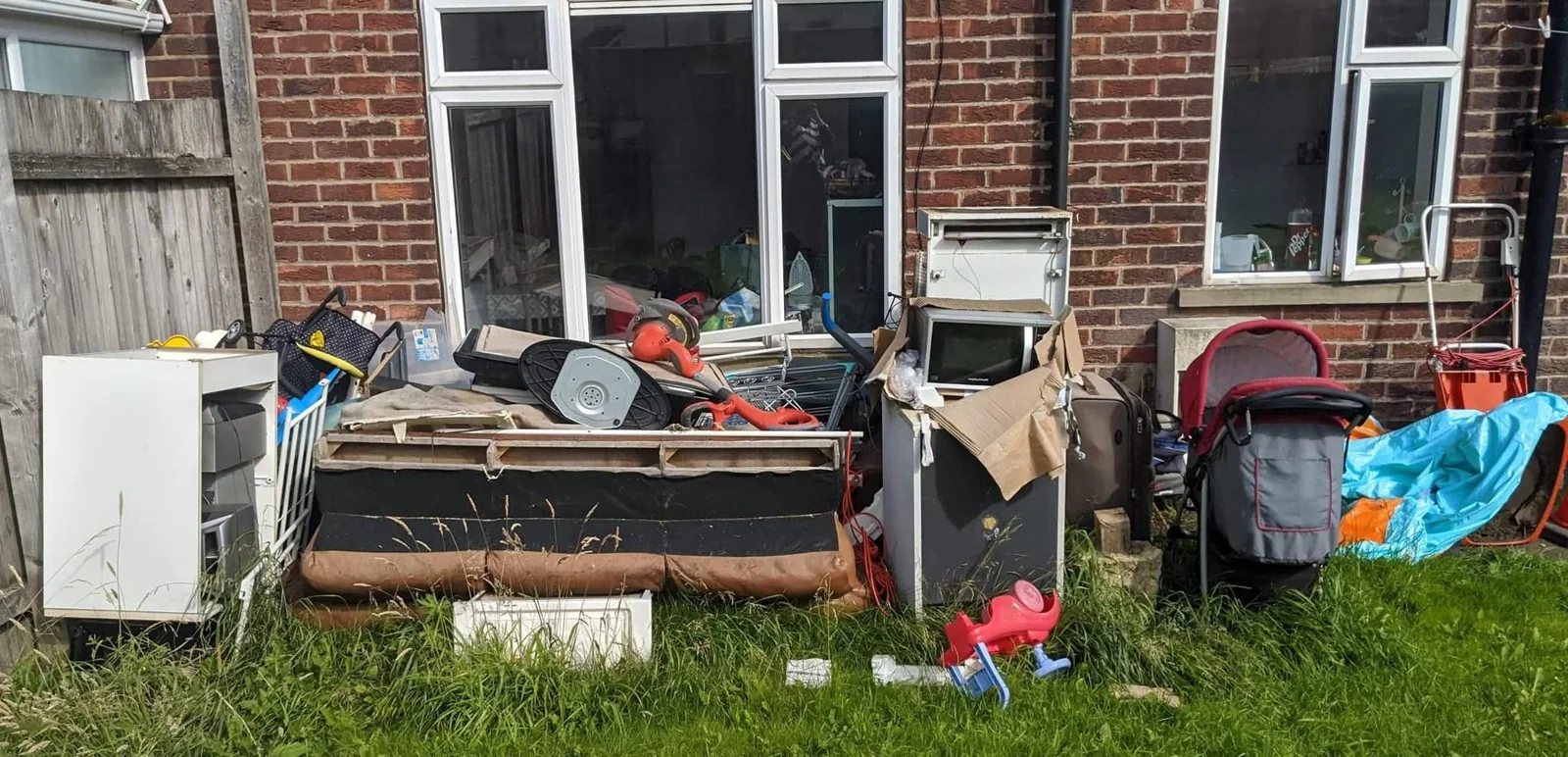
Licensed clearance · Brighouse based
House Clearancein Brighouse & West Yorkshire
Clear agreed unwanted belongings and reclaim the rooms you need, with loading, collection and disposal organised through Liam.
15 years in the trade · Same-day service guaranteed
Registered waste carrier
CBDU664322
15 years in the trade
Local experience
Approximately 80%
Diverted from landfill
Waste Transfer Notes
Paperwork supplied
Registered waste carrier
CBDU664322
15 years in the trade
Local experience
Approximately 80%
Diverted from landfill
Waste Transfer Notes
Paperwork supplied
The service
What needs to go?
Start with a clear scope.
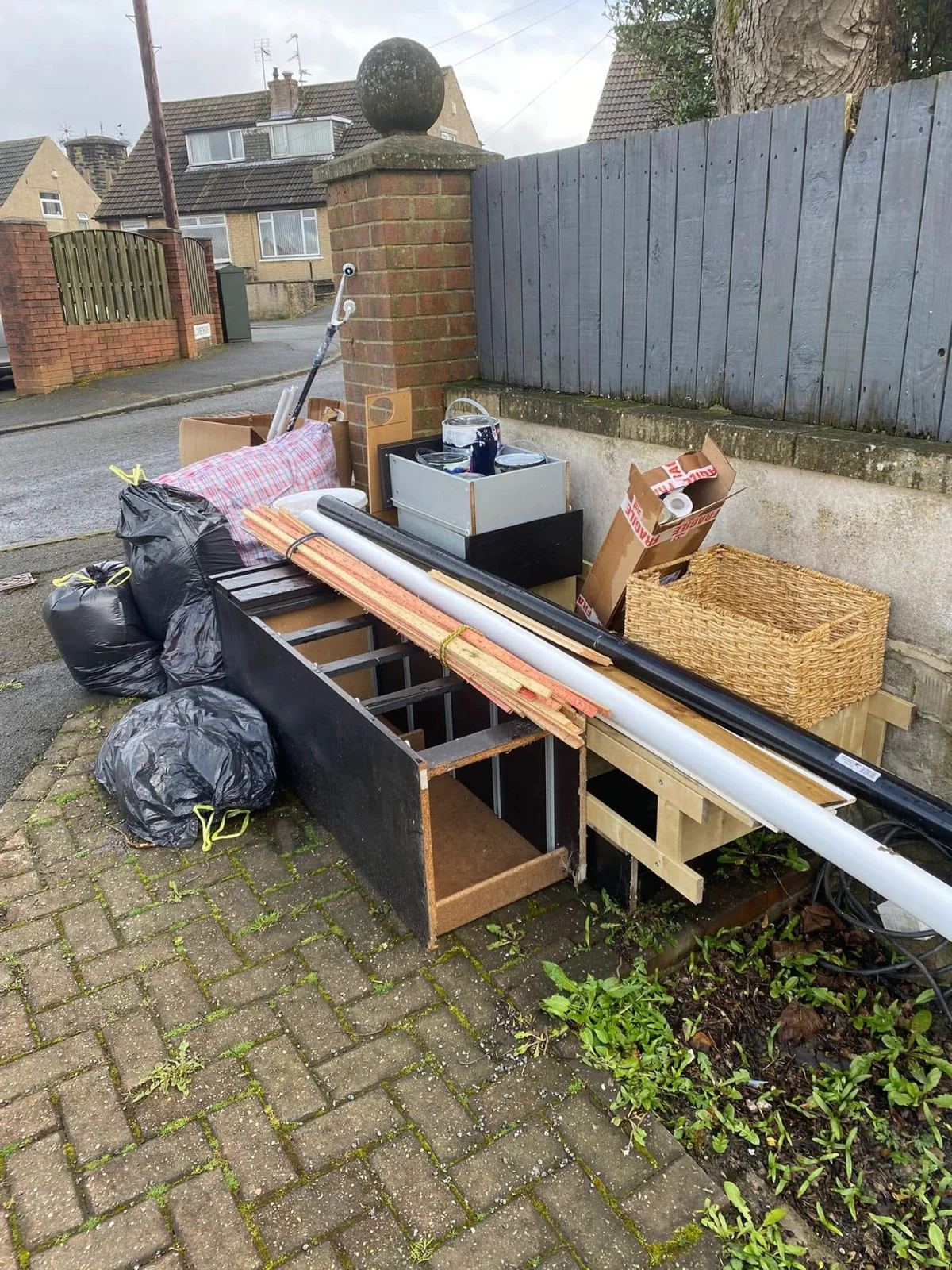
House clearance is useful when the job extends beyond a single item or rubbish pile. You may be preparing a property for a move, dealing with belongings after a tenancy or making a room usable again after years of storage. The scope can concern selected rooms or a wider clear-out, but it should always distinguish things to remove from possessions to retain. West Yorkshire waste solutions loads and removes the agreed unwanted items, leaving you to make the decisions about what matters.
A home often contains paperwork, valuables, sentimental objects and items belonging to different people. The clearance enquiry should allow for those decisions before anyone starts loading. Tell Liam who can authorise removal, which rooms are included and whether there are access limitations such as stairs or narrow doorways. The service is not advertised as a valuation, probate assessment, house-cleaning package or purchase of contents. If you only want a sofa or a defined pile taken away, a smaller furniture or waste-removal enquiry may suit the job better.
Avoid the complications
Don’t let the pile
become the problem.
Unwanted belongings can make a room difficult to use, but rushing a whole-house clear-out may create a different problem: disposing of things before the right people have checked them. Important documents can sit inside drawers or boxes that otherwise look disposable. Before agreeing removal, set aside keys, photographs, financial records and items you intend to keep. Where a property is being managed for someone else, establish your authority and any other required agreement rather than leaving those decisions to the collection team.
Common mistakes include assuming every cupboard is empty, forgetting an outbuilding and mixing retained belongings with the clearance pile. A quote based on one room may not cover a loft, garage and several upstairs bedrooms as well. Do not enter unsafe storage areas or move heavy furniture yourself to obtain a count. Describe the spaces honestly, including any areas you cannot inspect safely. A clear room-by-room scope makes it easier to agree both the work and the final check.
A straightforward process
From first call to
a documented handover.
01
Describe the job to Liam
Call 07514 475009 and explain your clearance. Give the location, main materials and approximate amount, then describe the access from the items to the collection vehicle. Mention uncertain contents, unusually heavy objects and anything still fixed in place. You do not need to know disposal terminology: a straightforward description of what is there is the useful starting point. Avoid unsafe lifting or opening containers just to prepare for the conversation.
02
Agree the accepted scope and quote
Confirm which items or areas are included and which must remain. Discuss any preparation, access arrangements and the proposed collection before authorising the work. A price should refer to the actual job described, not an assumption that every load is identical. If the waste changes, tell Liam before collection so any revised scope can be agreed. Items needing separate assessment or specialist treatment should not be added to a general load without explicit confirmation.
03
Loading and removal
Loading is included for the agreed waste, so you do not have to fill a skip yourself. Make sure the person meeting the team understands the scope and can point out retained belongings. Keep ordinary loose objects out of the carrying route where it is safe to do so, without blocking exits or shared access. Raise any discrepancy before loading proceeds. The collection follows the agreed job; it is not permission to remove every object in the surrounding space.
04
Check the handover and retain your note
Review the clearance against the agreed scope, including any item intentionally left behind. Waste Transfer Notes are supplied: check the waste description and keep the paperwork with your records. Ask about anything unclear before the handover is complete. Responsible disposal follows collection, with approximately 80% landfill diversion across the business. That approximate overall figure is not a material-by-material guarantee for an individual job. Agree payment by the confirmed methods of cash or bank transfer.
What the clearance changes
Less to organise.
More usable space.
01
No skip to load yourself
The agreed waste is loaded for you, removing the need to organise your own lifting into a hired container. Access and awkward items are still discussed first, so the collection reflects your property rather than an assumed roadside pile. This matters when a clear-out contains bulky objects or material stored in several places. Keep your effort focused on deciding what must go and what should remain.
02
A clear scope before work
Discussing contents, access and the quote together helps avoid paying for a job based on the wrong description. Identify additions or changes before collection and agree them explicitly. There is no universal price for every waste type, item or building. Knowing which areas and items are included gives both the customer and the collection team a practical reference for the final check.
03
An accountable waste transfer
Environment Agency registration CBDU664322 and supplied Waste Transfer Notes give you details to check and paperwork to retain. They support a documented handover rather than an anonymous collection. Registration does not confirm acceptance of every specialist material, so unusual waste remains part of the initial discussion. Keep the note after the waste leaves your premises and ask if its description is unclear.
04
Space available for the next step
Removing the agreed pile or unwanted items makes the cleared area available for its intended use. It also avoids repeatedly shifting the same rubbish while another task waits. The outcome is the clearance you agree, not an automatic cleaning, repair or landscaping service. Decide what that end point means for your property and describe it before work starts, so the result can be checked against the right expectation.
Your house clearance in detail
Materials, access
and the details that matter.
01
Room-by-room preparation
List the rooms to be included and identify the main items in each: furniture, boxes, loose belongings or bagged rubbish. Open ordinary cupboards and drawers only where it is safe, checking for things you need before marking their contents for disposal. Keep retained items in a separate, clearly identified area. If part of the house is outside the clearance, tell Liam rather than relying on a closed door as the only signal. The more precise the room list, the easier it is to compare the agreed job with the outcome after loading.
02
Moves, tenancy changes and sensitive clear-outs
Different circumstances require different decisions even when the waste looks similar. A tenant leaving a property should distinguish their belongings from landlord-owned fixtures; someone managing a family clear-out may need several people to review sentimental possessions. Build those decisions into preparation rather than expecting the collection team to judge ownership or emotional value. Discuss the available access and any key handover arrangements with Liam. The clearance is for agreed unwanted items, not a legal determination of who owns them. If there is a dispute about an object, keep it outside the removal scope until that issue is resolved.
03
Stairs, bulky furniture and awkward access
Large objects can occupy more handling time than a row of small boxes. Tell Liam about the size of wardrobes, sofas and tables, the floor they are on and any tight turn between them and the exit. Do not take apart heavy furniture yourself unless that preparation has been discussed and you can do it safely. Likewise, a loft or cellar should not be treated as a routine collection point without describing access and condition. A vehicle may not be able to park directly beside the door. Giving those details early helps the enquiry reflect the actual carrying route.
04
What a house clearance does not automatically include
Removing belongings is different from cleaning the house, treating mould, disconnecting appliances or removing fixtures attached to the building. Establish any such needs separately and do not assume they are part of the waste load. Electrical items, chemicals and unusual waste should be identified before acceptance is agreed. No resale value, donation percentage or purchase of contents is promised on this page. If you want certain usable items to reach a specific person or organisation, arrange that before placing them into the clearance scope. Retain the Waste Transfer Note for the items actually handed over.
Good to know
Your questions,
answered.
How much will this service cost?
Call Liam for a quote based on the actual scope, load and access. The general pickup offer starts at £250 for loads described as equivalent to a 14-yard skip, with loading included. This is not a fixed tariff for every individual item, material or demolition project, and it is not an unlimited weight allowance. Describe your specific job before agreeing the price.
Can you arrange same-day service?
Same-day service is guaranteed. Call to explain the job and agree the practical arrangements. The offer does not establish a fixed arrival time, a universal job duration or acceptance of specialist waste. Access, contents and any preparation still need discussion. If your request concerns a structure or material requiring assessment, do not assume the guarantee removes those checks.
How long does a clearance take?
There is no single published duration for all jobs. Volume, material, carrying distance, stairs and any agreed dismantling affect the work. Explain your situation to Liam and ask what to expect for the scope discussed. Same-day service concerns the confirmed offer, not a promise that every clearance takes the same number of minutes. Have the authorised contact available to confirm the items and access.
What should I do before collection?
Identify items to keep, separate questionable waste and explain any access restrictions. Clear ordinary small obstacles from the route only where safe. Do not drag heavy objects outside, dismantle a structure, disconnect services or open unknown containers simply to prepare the load. Tell Liam where the waste is currently located and ask what preparation is needed for your specific job before making changes.
Can you clear only part of a house in Brighouse?
Describe the selected rooms or items when you call. The enquiry can be based on a defined partial clearance rather than assuming the whole property is included. Keep possessions to retain separate and identify cupboards, garages or storage areas that are outside the scope. Agree the quote around the actual list of unwanted items and the access needed to remove them.
Do you buy house contents or provide probate valuations?
Neither buying contents nor probate valuation is advertised as a confirmed service here. Decide what is to be kept, valued or passed to someone else before agreeing disposal. If you are handling a property on another person’s behalf, make sure you have authority to approve the clearance. Liam can discuss removal of the unwanted items once those decisions are clear.
Do you cover Brighouse and the rest of West Yorkshire?
The business is based in Brighouse and covers Bradford, Leeds, Huddersfield, Halifax, Elland, Cleckheaton, Dewsbury, as well as Brighouse and the wider West Yorkshire area. Give your location and access details when you call. A town name alone does not describe parking, gates or the route to the waste, so include those practical details when discussing the collection.
What paperwork and payment options are provided?
Waste Transfer Notes are supplied and the waste-carrier registration is CBDU664322. Retain the note and check that the waste description reflects the agreed collection. The confirmed payment methods are cash and bank transfer; agree the quote before the work proceeds. Payment records do not replace the waste-transfer paperwork, and no additional warranty or certified specialist treatment is implied by an ordinary clearance.
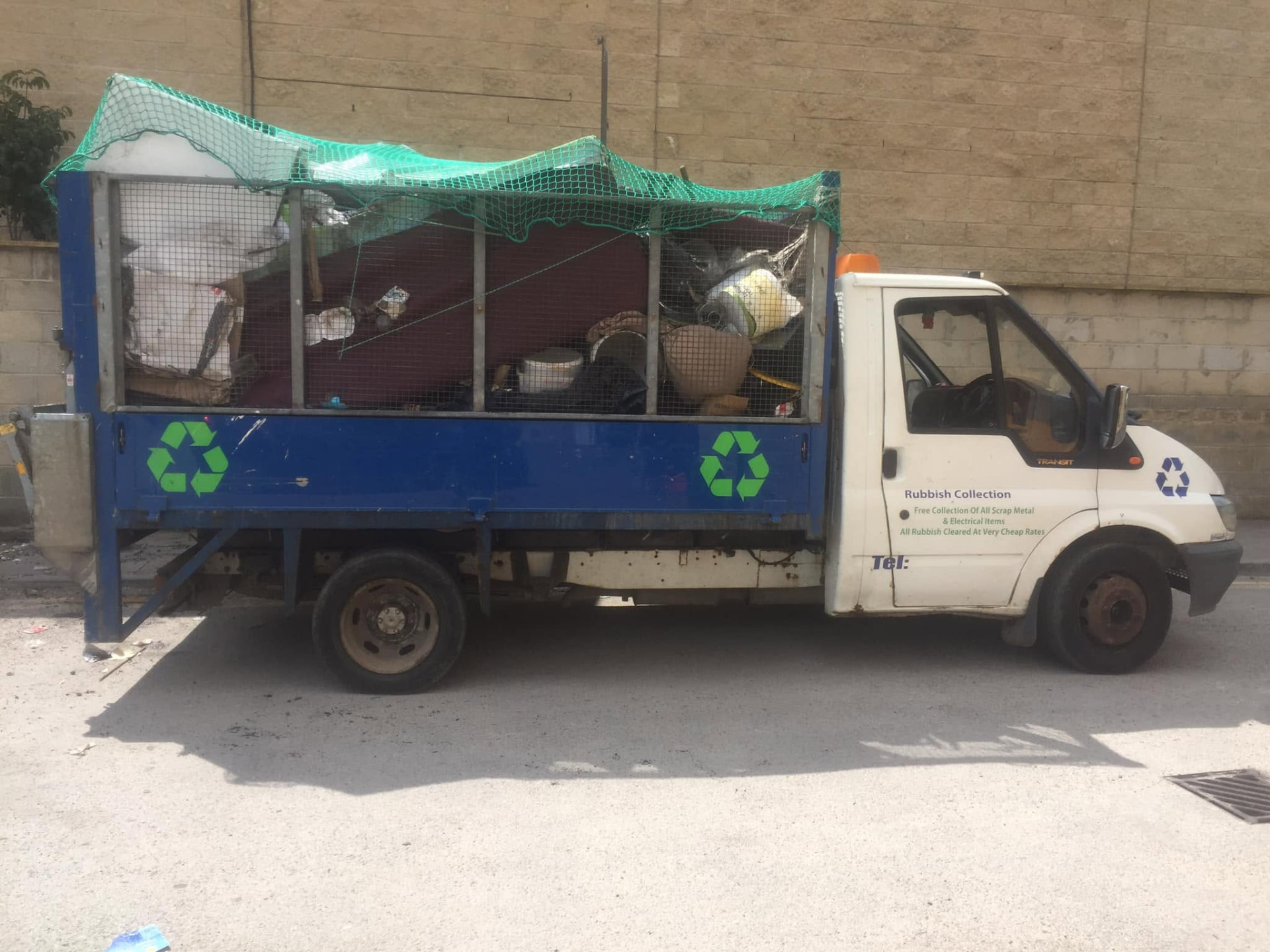
One call to get started
A clearer home, without loading it yourself.
Tell Liam what needs removing and where it is. Agree your scope and quote, then leave the loading and collection of accepted waste to us.
Registered carrier CBDU664322 · Waste Transfer Notes supplied
Prefer to dial directly? 07514 475009