
Licensed clearance · Brighouse based
Garden Waste Removalin Brighouse & West Yorkshire
Take the unwanted pile out of your outdoor space, with agreed garden rubbish loaded and removed so you can get on with the next stage.
15 years in the trade · Same-day service guaranteed
Registered waste carrier
CBDU664322
15 years in the trade
Local experience
Approximately 80%
Diverted from landfill
Waste Transfer Notes
Paperwork supplied
Registered waste carrier
CBDU664322
15 years in the trade
Local experience
Approximately 80%
Diverted from landfill
Waste Transfer Notes
Paperwork supplied
The service
What needs to go?
Start with a clear scope.
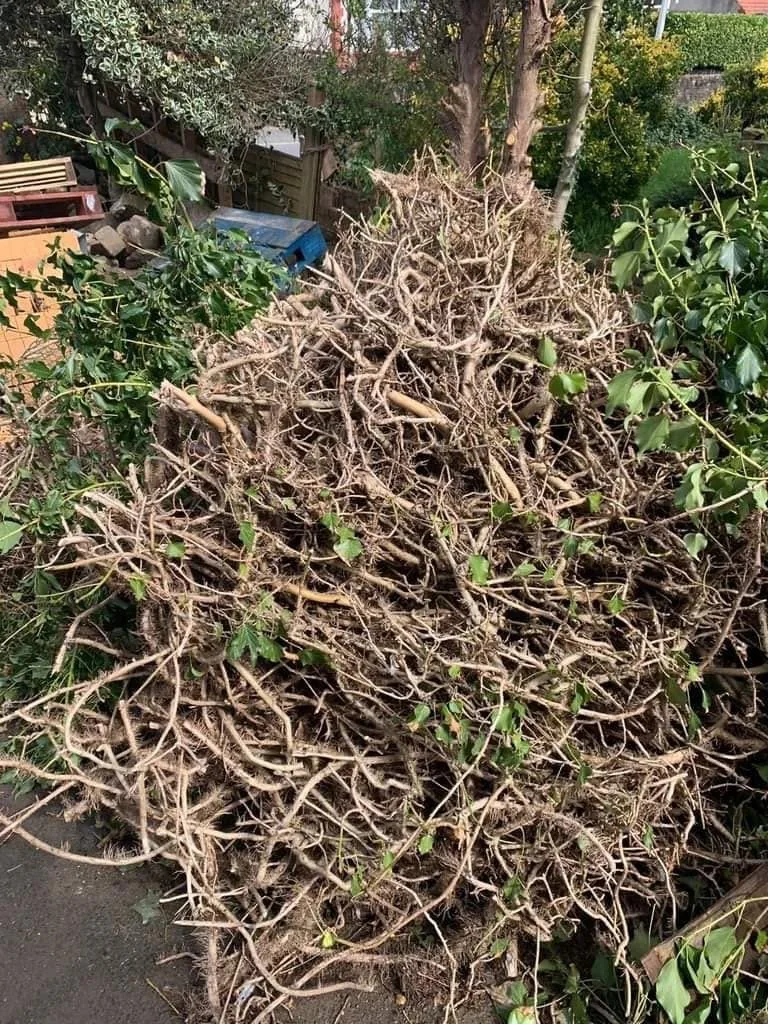
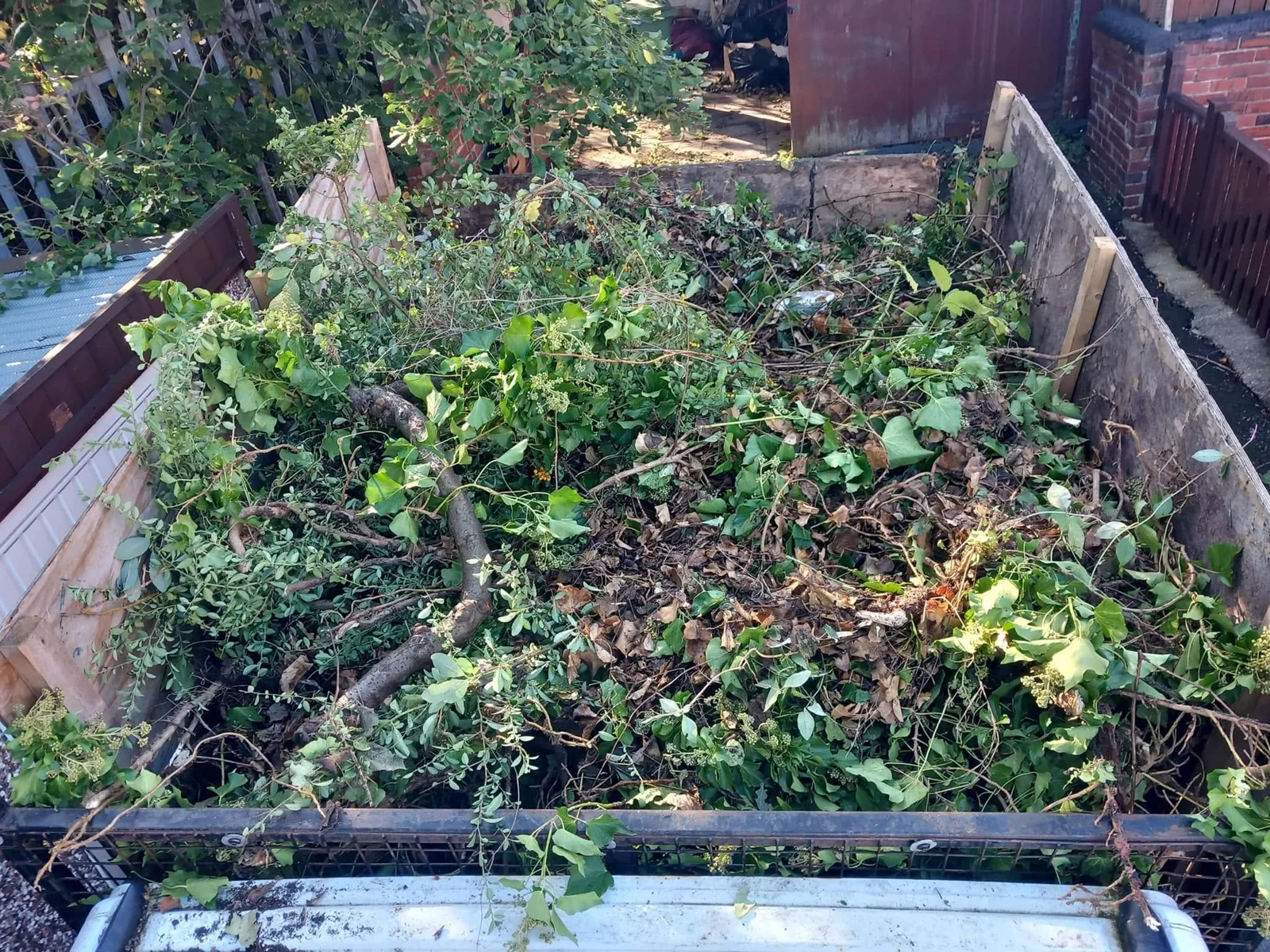
Garden waste removal is useful after a seasonal tidy-up, a change to an outdoor space or the discovery that an old rubbish pile has spread behind the shed. The enquiry may involve plant material, unwanted garden objects or a mixture of outdoor waste, so describing the contents matters more than simply calling it green waste. West Yorkshire waste solutions handles loading and collection of accepted material, helping you reclaim the space without organising disposal trips yourself.
Tell Liam whether the pile contains branches, cuttings, soil, rubble, damaged pots, garden furniture or other objects. These materials do not handle or dispose of in the same way, and acceptance needs to be agreed. Explain the route from the garden to the collection vehicle, especially if there is no side gate or everything must pass through the house. Removal of garden waste is not the same as landscaping, tree surgery, excavation or treatment of invasive plants, and those capabilities must not be assumed from a clearance enquiry.
Avoid the complications
Don’t let the pile
become the problem.
A garden pile can occupy the space intended for planting, seating or access and become more awkward to move after wet weather. Branches may conceal sharp objects or broken pots underneath, while sacks of soil can be much heavier than they appear. Do not compact or combine material into loads you cannot safely handle. Keep paths and exits clear, and explain hidden contents when requesting a quote rather than presenting the top layer as the whole job.
The main mistake is treating every outdoor material as interchangeable. Mixing soil, plastic, timber and plant waste can complicate sorting, and an unidentified plant or contaminated material should not disappear into an ordinary green-waste pile. Flag suspected invasive species, chemicals and unusual contents before collection. Do not cut or disturb plants of concern to prepare the load. A carrier registration and landfill-diversion figure do not establish specialist invasive-plant handling or guarantee that every garden material can be collected.
A straightforward process
From first call to
a documented handover.
01
Describe the job to Liam
Call 07514 475009 and explain your clearance. Give the location, main materials and approximate amount, then describe the access from the items to the collection vehicle. Mention uncertain contents, unusually heavy objects and anything still fixed in place. You do not need to know disposal terminology: a straightforward description of what is there is the useful starting point. Avoid unsafe lifting or opening containers just to prepare for the conversation.
02
Agree the accepted scope and quote
Confirm which items or areas are included and which must remain. Discuss any preparation, access arrangements and the proposed collection before authorising the work. A price should refer to the actual job described, not an assumption that every load is identical. If the waste changes, tell Liam before collection so any revised scope can be agreed. Items needing separate assessment or specialist treatment should not be added to a general load without explicit confirmation.
03
Loading and removal
Loading is included for the agreed waste, so you do not have to fill a skip yourself. Make sure the person meeting the team understands the scope and can point out retained belongings. Keep ordinary loose objects out of the carrying route where it is safe to do so, without blocking exits or shared access. Raise any discrepancy before loading proceeds. The collection follows the agreed job; it is not permission to remove every object in the surrounding space.
04
Check the handover and retain your note
Review the clearance against the agreed scope, including any item intentionally left behind. Waste Transfer Notes are supplied: check the waste description and keep the paperwork with your records. Ask about anything unclear before the handover is complete. Responsible disposal follows collection, with approximately 80% landfill diversion across the business. That approximate overall figure is not a material-by-material guarantee for an individual job. Agree payment by the confirmed methods of cash or bank transfer.
What the clearance changes
Less to organise.
More usable space.
01
No skip to load yourself
The agreed waste is loaded for you, removing the need to organise your own lifting into a hired container. Access and awkward items are still discussed first, so the collection reflects your property rather than an assumed roadside pile. This matters when a clear-out contains bulky objects or material stored in several places. Keep your effort focused on deciding what must go and what should remain.
02
A clear scope before work
Discussing contents, access and the quote together helps avoid paying for a job based on the wrong description. Identify additions or changes before collection and agree them explicitly. There is no universal price for every waste type, item or building. Knowing which areas and items are included gives both the customer and the collection team a practical reference for the final check.
03
An accountable waste transfer
Environment Agency registration CBDU664322 and supplied Waste Transfer Notes give you details to check and paperwork to retain. They support a documented handover rather than an anonymous collection. Registration does not confirm acceptance of every specialist material, so unusual waste remains part of the initial discussion. Keep the note after the waste leaves your premises and ask if its description is unclear.
04
Space available for the next step
Removing the agreed pile or unwanted items makes the cleared area available for its intended use. It also avoids repeatedly shifting the same rubbish while another task waits. The outcome is the clearance you agree, not an automatic cleaning, repair or landscaping service. Decide what that end point means for your property and describe it before work starts, so the result can be checked against the right expectation.
Your garden waste removal in detail
Materials, access
and the details that matter.
01
Branches, cuttings and loose plant material
Describe the approximate amount and the form of the plant waste: loose branches, bagged leaves and compacted wet cuttings can need different handling. Keep any existing separate piles identifiable so the contents are clear. Do not cut material into a particular size or pack it into heavier sacks without discussing the preparation required. Check for tools, wire, plant pots or other objects mixed into the pile, and mention them to Liam. Green material is not automatically suitable for an ordinary collection if it contains suspected invasive plants or contamination; those concerns need to be raised before acceptance.
02
Soil, rubble and hard landscaping leftovers
Heavy material should be identified separately from leafy waste. Even a modest-looking pile of soil or rubble can be different from a bulky but lightweight load, so a garden quote needs more than a description of how much ground the pile covers. Explain whether the material came from ordinary tidying, renovation or another source and whether anything is mixed into it. Do not assume the general pickup offer represents an unlimited weight allowance. Excavation and removal of fixed paving are not automatically included. The enquiry should establish the material, access and collection scope before you start lifting or bagging it.
03
Garden objects and unwanted structures
Broken pots, outdoor furniture, old fencing and a shed are different removal tasks. Identify loose objects separately from items still fixed into the ground or attached to another structure. A garden-waste collection does not automatically include dismantling a shed, removing foundations or taking down a shared fence. Visit Garage, Shed & Outbuilding Demolition if the job involves a whole structure and its debris. For bulky seating, the Furniture Removal page provides related access guidance. Where several categories occur together, explain the complete list so the quote does not omit a major part of the outdoor clear-out.
04
Side gates, terraces and collection routes
Many gardens have restricted access even when the waste itself is straightforward. Mention narrow gates, steep paths, steps, terraced levels and any route through the house. Keep items you want to retain away from the carrying route and do not pile waste onto a public pavement to avoid describing difficult access. Explain whether a vehicle can reach a nearby entrance or whether the material is at the far end of the plot. Loading is included for the agreed waste, but the collection still needs to reflect the physical route. A practical access description prevents assumptions based only on garden size.
Good to know
Your questions,
answered.
How much will this service cost?
Call Liam for a quote based on the actual scope, load and access. The general pickup offer starts at £250 for loads described as equivalent to a 14-yard skip, with loading included. This is not a fixed tariff for every individual item, material or demolition project, and it is not an unlimited weight allowance. Describe your specific job before agreeing the price.
Can you arrange same-day service?
Same-day service is guaranteed. Call to explain the job and agree the practical arrangements. The offer does not establish a fixed arrival time, a universal job duration or acceptance of specialist waste. Access, contents and any preparation still need discussion. If your request concerns a structure or material requiring assessment, do not assume the guarantee removes those checks.
How long does a clearance take?
There is no single published duration for all jobs. Volume, material, carrying distance, stairs and any agreed dismantling affect the work. Explain your situation to Liam and ask what to expect for the scope discussed. Same-day service concerns the confirmed offer, not a promise that every clearance takes the same number of minutes. Have the authorised contact available to confirm the items and access.
What should I do before collection?
Identify items to keep, separate questionable waste and explain any access restrictions. Clear ordinary small obstacles from the route only where safe. Do not drag heavy objects outside, dismantle a structure, disconnect services or open unknown containers simply to prepare the load. Tell Liam where the waste is currently located and ask what preparation is needed for your specific job before making changes.
Can soil and rubble go in a garden-waste collection?
Mention them separately when you call so acceptance, handling and the quote can be discussed. Heavy material is not equivalent to the same volume of leaves or branches, and the general pickup offer is not an unlimited weight allowance. Explain what the material contains and where it is stored. Do not combine it with plant waste simply to make one pile.
Do you remove Japanese knotweed or other invasive plants?
Specialist invasive-plant removal is not advertised as a confirmed capability. Tell Liam if the waste may contain an invasive species before discussing collection. Do not cut, dig up or move suspect plant material to prepare an ordinary load. Appropriate specialist advice and arrangements may be needed, and the general garden-clearance service should not be treated as plant treatment or eradication.
Do you cover Brighouse and the rest of West Yorkshire?
The business is based in Brighouse and covers Bradford, Leeds, Huddersfield, Halifax, Elland, Cleckheaton, Dewsbury, as well as Brighouse and the wider West Yorkshire area. Give your location and access details when you call. A town name alone does not describe parking, gates or the route to the waste, so include those practical details when discussing the collection.
What paperwork and payment options are provided?
Waste Transfer Notes are supplied and the waste-carrier registration is CBDU664322. Retain the note and check that the waste description reflects the agreed collection. The confirmed payment methods are cash and bank transfer; agree the quote before the work proceeds. Payment records do not replace the waste-transfer paperwork, and no additional warranty or certified specialist treatment is implied by an ordinary clearance.
Related clearances
A different part of the same job?
One call to get started
Give your garden its space back.
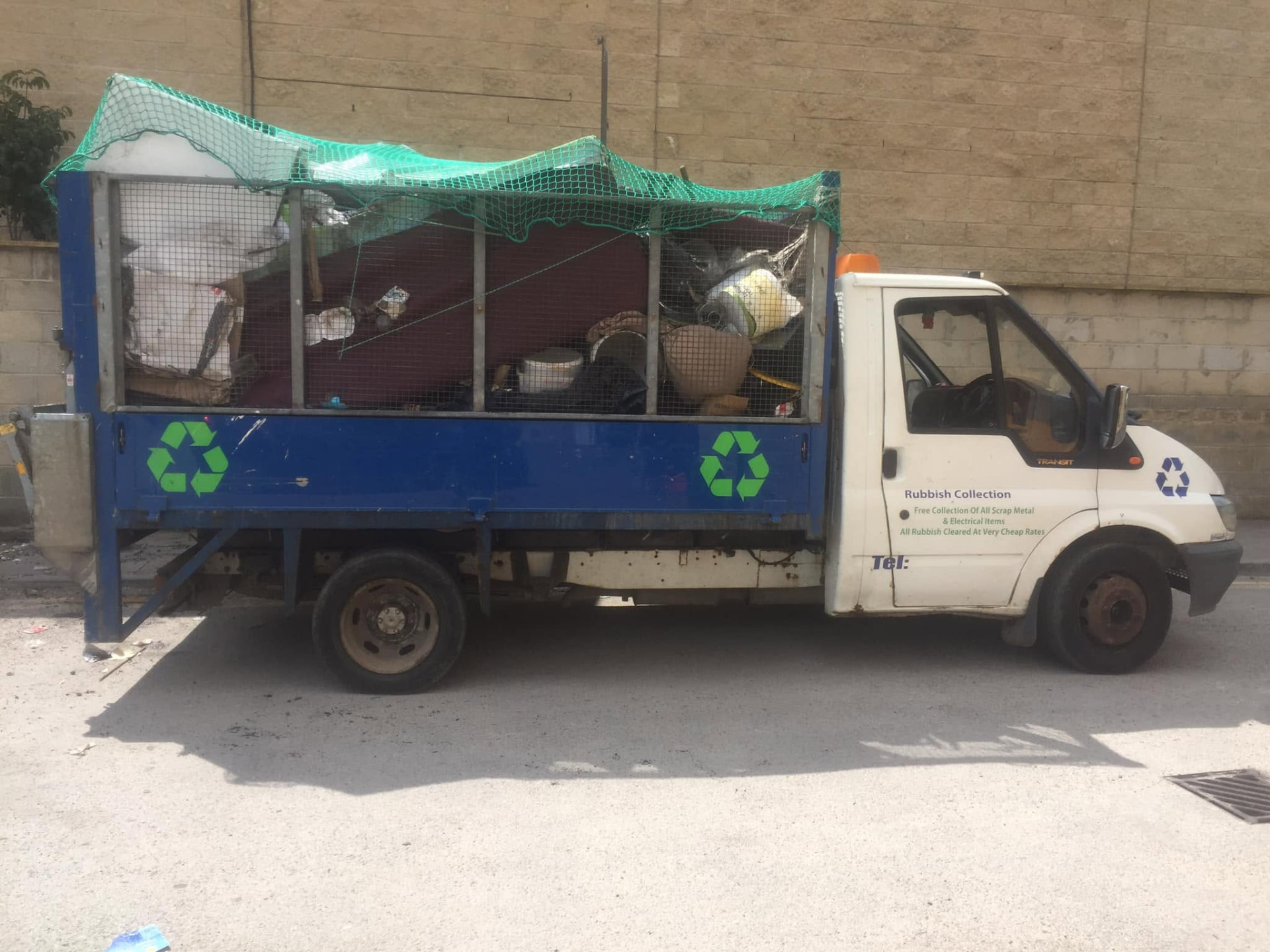
Tell Liam what needs removing and where it is. Agree your scope and quote, then leave the loading and collection of accepted waste to us.
Registered carrier CBDU664322 · Waste Transfer Notes supplied
Prefer to dial directly? 07514 475009